Scroll down and press close button to access Internet
Yana Caves History and Significance
Introduction
Hidden deep within the lush Western Ghats of Uttara Kannada, Yana Caves stand as a breathtaking fusion of geological wonder and ancient legend. With their black limestone spires piercing the green canopy, these formations seem sculpted by both nature and divinity. Beyond their visual drama, Yana holds stories of gods, demons, and miracles, a place where faith and wilderness meet in timeless harmony.
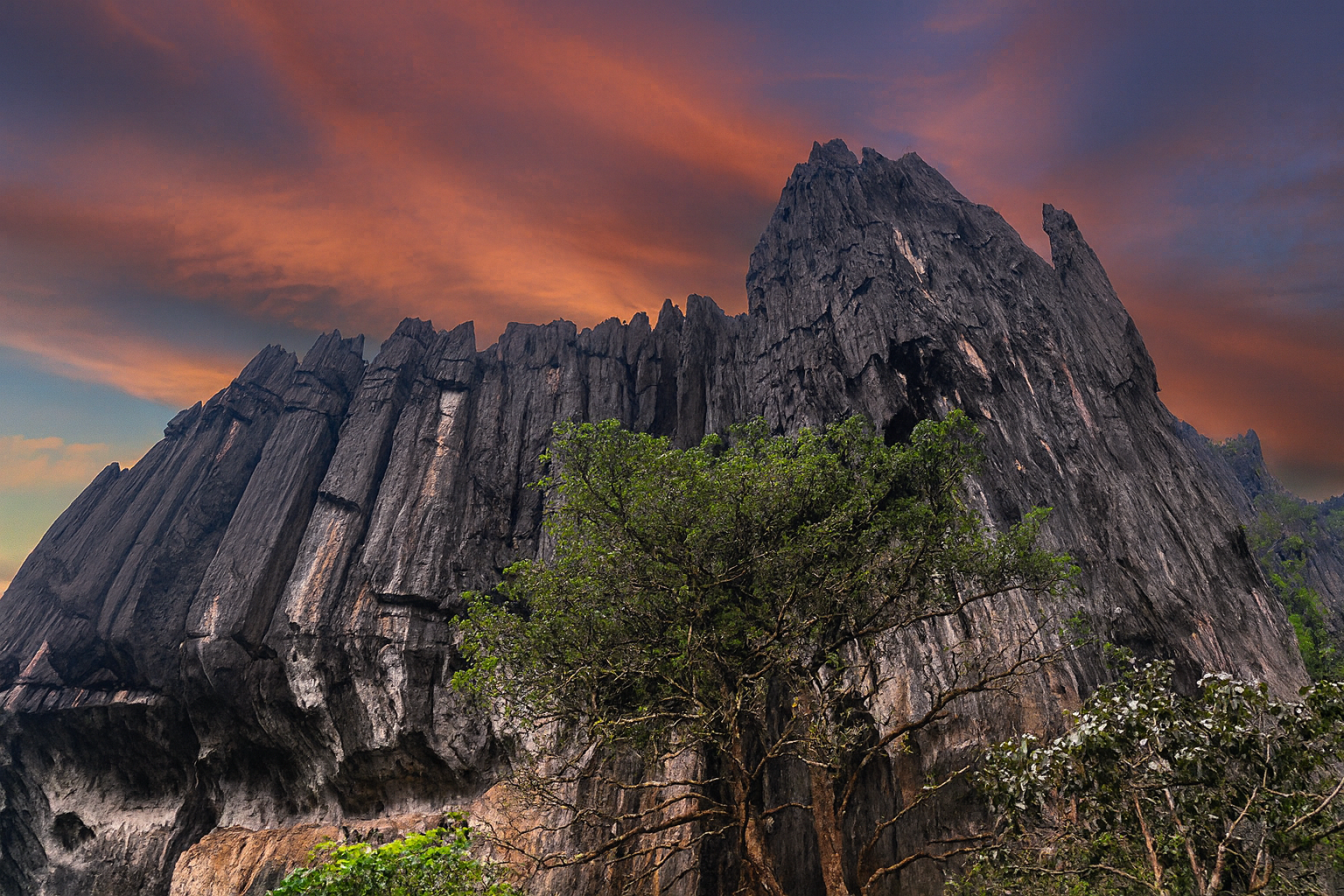
History & Heritage of Yana Caves
1. Geological Origins
Nestled in the heart of the Western Ghats’ Sahyadri mountain range, the Yana area is characterised by striking black crystalline karst limestone formations. The two most prominent rock monoliths are:
- Bhairaveshwara Shikhara — rising to about 120 metres (≈ 390 ft) above the forest floor.
- Mohini (or Mohini Shikhara) — slightly smaller, approximately 90 metres (≈ 300 ft) tall.
The entire region includes around 60–61 limestone rock structures spread within a radius of roughly 3 km, but these two are especially iconic. The blackened appearance of the rocks is natural: the limestone, iron, manganese, silica, and the effects of weathering and humidity over millions of years have given them a dark, almost charcoal-like hue.
2. Early History & Human Presence
While there are no definitive ancient inscriptions or records (archaeological) that date exactly when the cave temples in Yana were first constructed, the site has long been a place of pilgrimage and local worship. The cave under Bhairaveshwara Shikhara houses a swayambhu (self-manifested) Shiva Linga — meaning devotees believe it emerged naturally, not crafted by human hands. Water drips from the roof of the cave over this linga, adding to its sanctity.
Inside the cave is also a bronze statue of Chandika, an incarnation of Goddess Durga (Mother Goddess), which underscores the site’s syncretism of Shaiva and Shakti traditions. Over time, local priest families (pujaris) and devotees have maintained the temple and the caves, especially during the festival of Maha Shivaratri, when many pilgrims flock to Yana.
3. Myth & Legend: The Tale of Bhasmasura and Mohini
A core element of Yana’s cultural identity is its rich mythological story:
- According to Hindu mythology, Bhasmasura, an asura (demon), pleased Lord Shiva through intense penance. As a boon, Shiva granted him a terrifying power: anyone on whose head Bhasmasura placed his hand would immediately burn to ashes (bhasma). - Overconfident, Bhasmasura sought to test this power even on Shiva, forcing Shiva to flee. Shiva, unable to counter this alone, sought help from Lord Vishnu. Vishnu took the form of the enchanting Mohini. - Mohini challenged Bhasmasura to a dance competition. In her performance, she placed her hand over her own head. Bhasmasura, trying to imitate her at that moment, did the same, thereby touching his hand to his own head. This caused the boon to backfire, and Bhasmasura perished — turned to ashes.
Local belief holds that the intense heat from Bhasmasura’s demise charred the nearby limestone, which is why the rocks appear black (or blackened) today. The loose dark soil or “ash-like” deposits scattered around the peaks are cited by devotees as evidence of this event. The two peaks, Bhairaveshwara Shikhara (named in honour of Lord Shiva) and Mohini Shikhara (representing the avatar/beauty of Mohini), nod back to this legend.
4. Cultural & Religious Significance
- The cave temple under Bhairaveshwara Shikhara is a major pilgrimage centre. Devotees believe in the sanctity of the swayambhu linga, which is fed (nourished) by dripping water from the cave roof, locally known as Gangodbhava.
- The small stream that emerges from the cave — Chandihole — eventually joins the Aghanashini River, a river of both ecological and religious importance.
- The area is especially crowded during Maha Shivaratri, when special rituals, night vigils, and devotional singing draw people from across the region.
5. Environmental & Conservation History
Given its location in the Western Ghats, one of India’s biodiversity hotspots, Yana has always been a region with high rainfall, lush forests, and rich flora and fauna. Animals like bats and birds make their homes in the caves and monoliths; bees nest on the rocky cliffs.
The area’s accessibility has improved over time. What was once a difficult journey—through dense forest, muddy paths, or narrow trails—has become more visitor-friendly. Roads take you nearly to the rock bases, though a short trek still remains part of the experience.
But with rising tourist numbers, concerns about environmental degradation, littering, damage to the rock surface, and disturbance to wildlife have grown. There are ongoing local efforts to preserve the natural beauty, maintain cleanliness, and protect the cave ecosystems.
6. Modern Era & Tourism
- In the 19th century, British surveyors noted Yana in their geographic documentation. Francis Buchanan-Hamilton, an official of the East India Company, surveyed the region around 1801, noting settlements and natural features. - In recent decades, film-makers have been drawn to Yana’s dramatic landscapes. For example, the Kannada movie Nammoora Mandara Hoove filmed there helped popularise the place among wider public as a scenic destination.
- Today, Yana is visited by trekkers, nature lovers, pilgrims, photographers, and casual tourists alike. Its proximity to towns like Kumta, Sirsi, and Gokarna allows for day-visits or weekend getaways.
Local Lore & Cultural Traditions
- The Beehives & Guardianship: Beehives dot the overhanging cliffs, and folklore holds that bees act as guardians of the cave temples. Disturb them, locals say, and they will retaliate — thus enforcing a sort of natural sanctity. - Ash-soil & Sacred Ground: The dark, loose soil around the rock formations is sometimes called “bhasma” by devotees. Locals weave tales that this soil is truly the dust of Bhasmasura’s ashes. Whether scientifically accurate or not, the belief strengthens the reverence around the place.
- Cultural performance & Yakshagana: Traditional forms of storytelling like Yakshagana sometimes dramatise the legend of Bhasmasura and Mohini. These performances keep the myth alive among local communities. (While harder to document precisely, oral tradition supports these retellings.)
Significance & Why Yana Matters
- Spiritual & Religious Value: Beyond natural beauty, Yana’s caves and temples serve as a living pilgrimage site. The swayambhu Siva Linga and rituals practiced here connect believers to centuries of faith.
- Ecological & Geological Importance: The karst limestone structures, endemic fauna and flora, and dense evergreen forest make this a place of scientific interest. It contributes to local water cycles (streams, rivers) and supports biodiversity.
- Cultural Memory & Identity: Legends like Bhasmasura and Mohini are not just stories — they shape local identity. They are referenced in festivals, folklore, and how people treat the place (e.g. reverence, preservation).
- Tourism & Economy: The site brings in visitors, which supports local businesses—souvenir vendors, guides, food stalls, and small lodgings in nearby towns. But with that comes responsibility: managing footfall, maintaining infrastructure, and protecting the natural heritage.
Suggested Structure for Your History Page
To make this history page user-friendly and help with SEO, organize content as follows:
1. Introduction — A few sentences to hook interest, e.g. “Perched within Karnataka’s lush Western Ghats, Yana Caves evoke both nature’s artistry and ancient myth…” 2. Geology & Landscape — Natural formation, rock types, height, climate. 3. Myths & Legends — Bhasmasura, Mohini, local interpretations. 4. Religious Traditions & Pilgrimage — Temples, rites, festivals. 5. Historical References & Local Inhabitants — Early records, priest families, how locals have cared for or used the place over time. 6. Modern Tourism & Conservation — Road access, eco-concerns, visitor experience. 7. Cultural Expressions & Rituals — Oral traditions, performances (Yakshagana etc.), community stories. 8. Significance Today — Why Yana continues to matter: spiritually, ecologically, economically.Plan Your Visit
📍 Location: Yana village, Uttara Kannada district, Karnataka — about 25 km from Kumta, 40 km from Sirsi, and roughly 460 km from Bengaluru.
🚗 Getting There: By Road: Well-connected from Gokarna, Sirsi, and Kumta. The last 2–3 km requires a short forest walk. By Train: Nearest railway stations — Kumta (26 km) and Gokarna Road (31 km). By Air: The closest airport is Hubballi Airport (142 km). 🎒 Trek & Experience: Visitors usually trek through the evergreen forest trail leading to Bhairaveshwara Shikhara and Mohini Shikhara. The route is scenic, filled with bird calls, butterflies, and cool mist during monsoon. Carry water, sturdy shoes, and avoid plastic waste — Yana is an eco-sensitive zone. ⏰ Best Time to Visit: - October to February: Pleasant weather, ideal for photography and trekking. - Avoid peak monsoon (June–August) — heavy rainfall and leeches make trails slippery. 🕉️ Temple Hours & Festivals: - The Bhairaveshwara temple is open daily, but hours may vary. - Maha Shivaratri (usually Feb/March) is celebrated with great devotion and community rituals. 🍃 Responsible Travel Tips: - Do not disturb bees or wildlife. - Carry your waste back; avoid plastic. - Dress modestly if entering the temple. - Respect local customs and the sanctity of the caves.🌄 Nearby Attractions
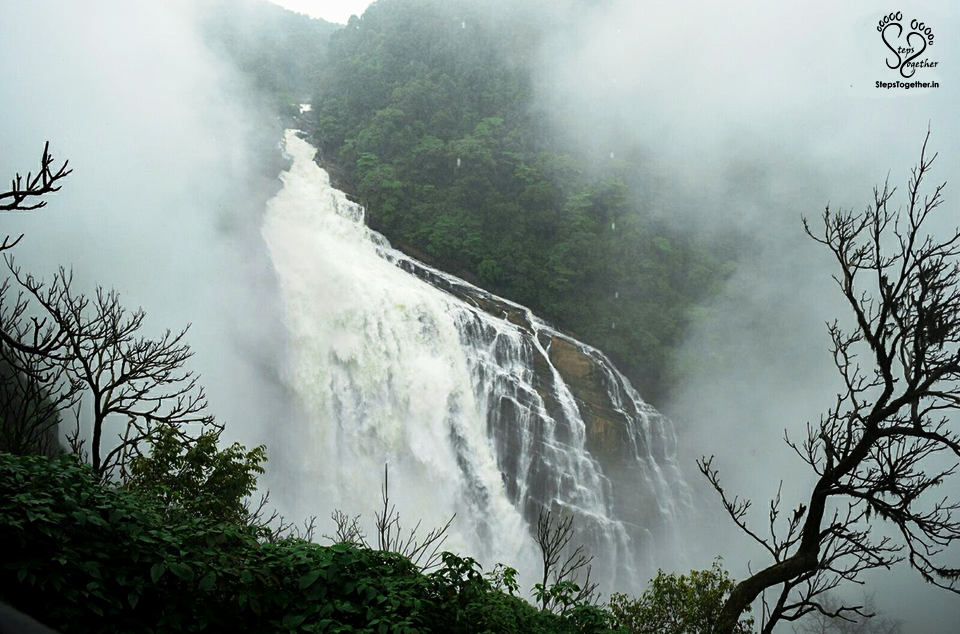
1. Vibhooti Falls (9 km) - A spectacular multi-tiered waterfall tucked inside dense forest. Crystal-clear waters and a natural pool make it a favorite picnic spot after exploring Yana.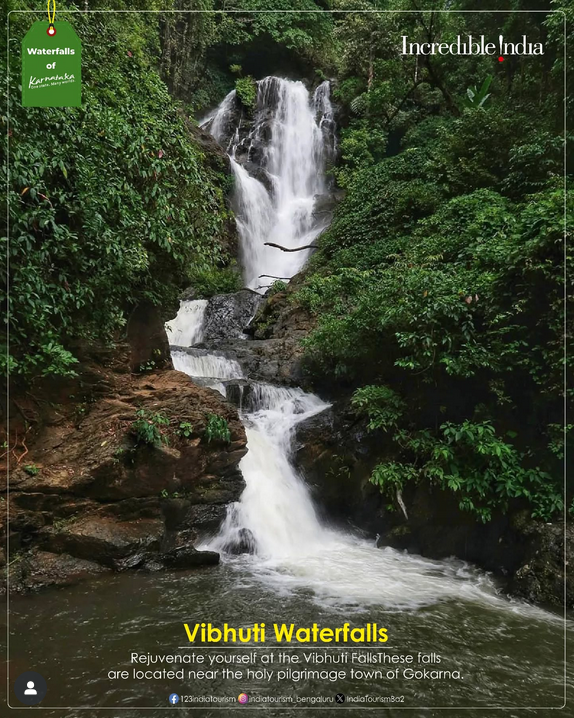
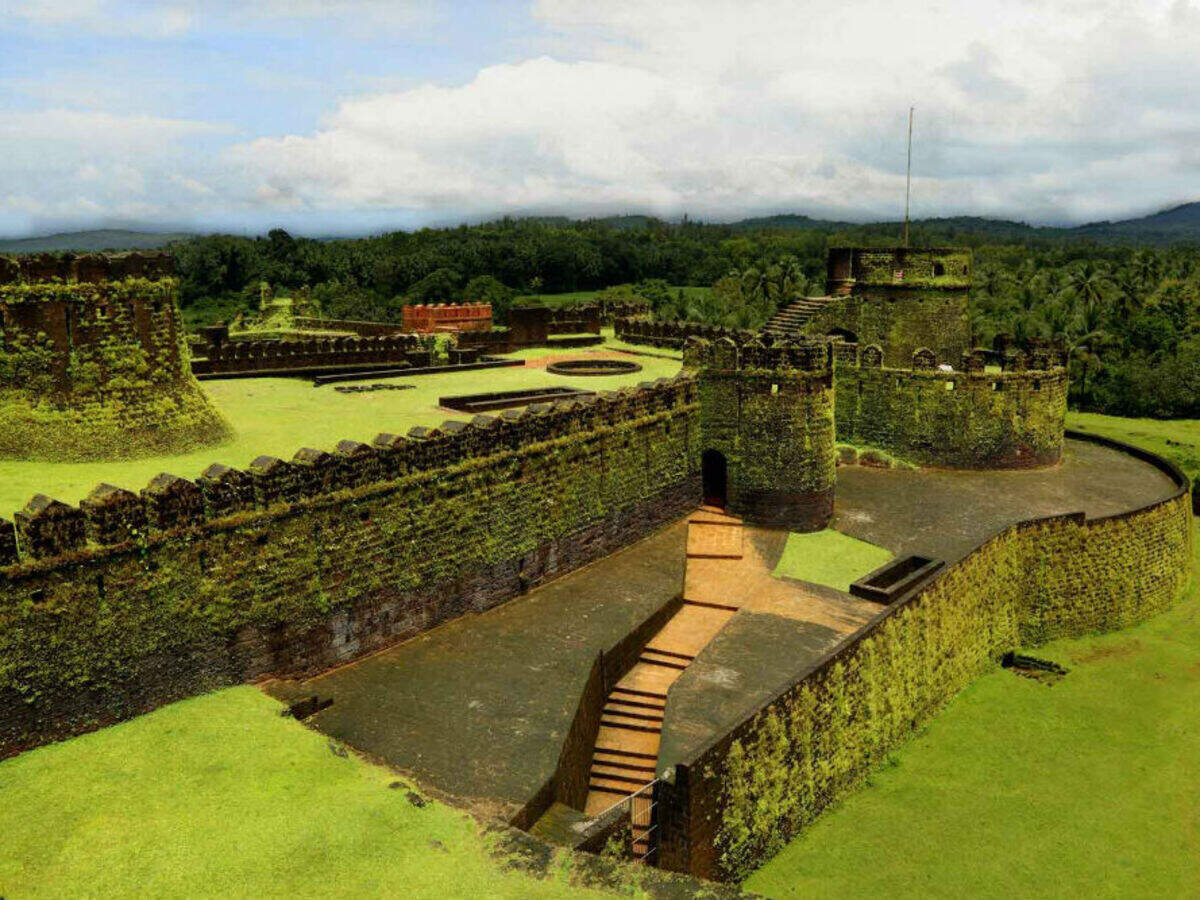
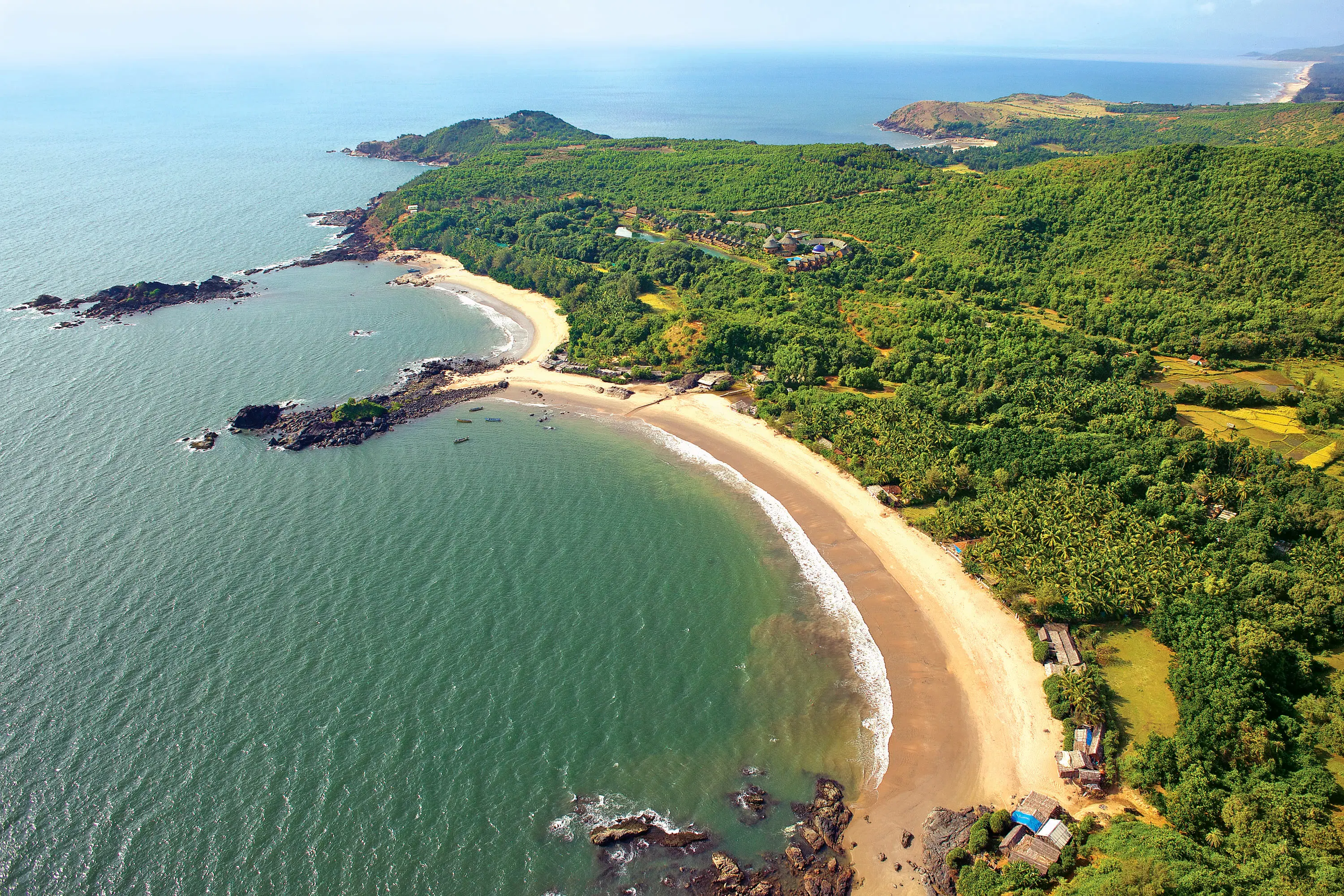
Yana Caves are more than a geological marvel — they’re a living symbol of faith, myth, and the wild beauty of Karnataka. Whether you come as a pilgrim, trekker, or nature enthusiast, Yana offers an experience that transcends time. Each drip of water in its caves, each whisper of the forest, carries echoes of legends older than memory — reminding visitors that some places are not merely seen, but felt.