Scroll down and press close button to access Internet
Swarna Walli Mata, Sirsi – The Golden Abode of Serenity and Faith
Introduction
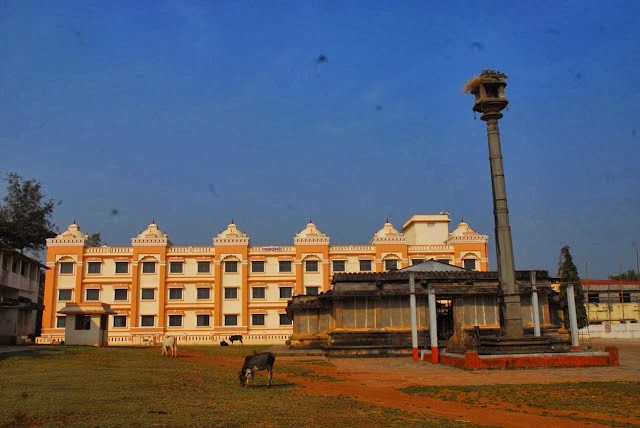
The picturesque town of Sirsi, located in the Uttara Kannada district of Karnataka, is known for its rich cultural heritage, scenic beauty, and numerous ancient temples. Among its many revered shrines, the Swarna Walli Mata Temple holds a special place in the hearts of devotees. Surrounded by the lush greenery of the Western Ghats, this temple is a symbol of devotion, peace, and tradition. The name “Swarna Walli” itself evokes a sense of purity and divine grace — “Swarna” meaning gold and “Walli” referring to the goddess who bestows prosperity and protection upon her devotees.
Historical Background
The Swarna Walli Mata Temple is one of the oldest and most revered shrines in and around Sirsi. While the exact origins of the temple are not precisely documented, local legends and oral traditions suggest that it dates back several centuries. The temple is believed to have been established during the reign of the Kadamba dynasty or the Vijayanagara Empire, both of which played a key role in promoting temple culture and spiritual learning in Karnataka.
According to local lore, Goddess Swarna Walli is considered a powerful incarnation of Goddess Parvati, symbolizing strength, purity, and prosperity. She is believed to protect her devotees from harm and grant them wealth and happiness. The temple has served as a spiritual center for nearby villages, where devotees gather to offer prayers and seek blessings, especially during festivals and auspicious occasions.
Over the years, the temple has undergone renovations while maintaining its traditional charm. The architecture reflects the influence of Dravidian temple design, with carved stone pillars, a simple sanctum (garbhagriha), and a beautifully decorated tower (gopura) that glows in the sunlight — befitting the temple’s name, Swarna meaning “golden.”
Architecture and Spiritual Significance
The Swarna Walli Mata Temple combines simplicity and sacred elegance. The main sanctum houses the idol of Goddess Swarna Walli, adorned with gold ornaments, silk garments, and fresh flowers. The atmosphere inside the temple is serene and spiritual, with the soft sounds of bells, chants, and incense filling the air.
The temple’s carvings and sculptures depict scenes from Hindu mythology, especially stories related to Goddess Parvati and Lord Shiva. The temple also has smaller shrines dedicated to Lord Ganesha, Lord Subramanya, and Navagrahas (the nine celestial deities).
Every year, special rituals like Devi Mahatme Parayana, Kunkuma Archane, and Navaratri celebrations are conducted with great devotion. During the Navaratri festival, the temple comes alive with lights, music, traditional dances, and a divine aura that attracts devotees from across the district.
Best Time to Visit
The best time to visit Swarna Walli Mata Temple is between October and February, when the weather is cool and pleasant. The surrounding forests and waterfalls are at their most beautiful during this period, making the experience even more memorable.
- Monsoon (June – September): The region receives heavy rainfall, making travel slightly challenging but the greenery and waterfalls nearby look stunning.
- Post-Monsoon (October – February): Ideal for temple visits, sightseeing, and photography.
- Summer (March – May): Warm and humid, but early mornings and evenings remain comfortable for travel and worship.
Visiting the temple during Navaratri or other local festivals provides an added spiritual and cultural experience.
How to Reach Swarna Walli Mata, Sirsi
Sirsi is well connected by air, rail, and road, making it easy for pilgrims and tourists to reach the Swarna Walli Mata Temple.
- By Air: The nearest airport is Hubballi Airport, located about 110 kilometers from Sirsi. From the airport, one can hire a taxi or take a bus to reach Sirsi comfortably.
- By Train: The closest railway stations are Talaguppa (54 km), Kumta (80 km), and Hubballi Junction (110 km). These stations are connected to major cities like Bengaluru, Goa, and Mangaluru.
- By Road: Sirsi is well connected by road to Bengaluru (425 km), Hubballi (110 km), Yellapur (60 km), and Gokarna (80 km). Regular KSRTC and private buses operate daily to and from Sirsi. Once in the town, the Swarna Walli Mata Temple can be reached by local auto-rickshaws, taxis, or on foot, depending on its location within the town area.
Nearby Attractions
Sirsi and its surroundings are famous for their natural and cultural treasures. A trip to Swarna Walli Mata can easily be combined with visits to these nearby attractions:
- Marikamba Temple: One of the largest and most famous temples in Karnataka, dedicated to Goddess Marikamba, located in the heart of Sirsi town.

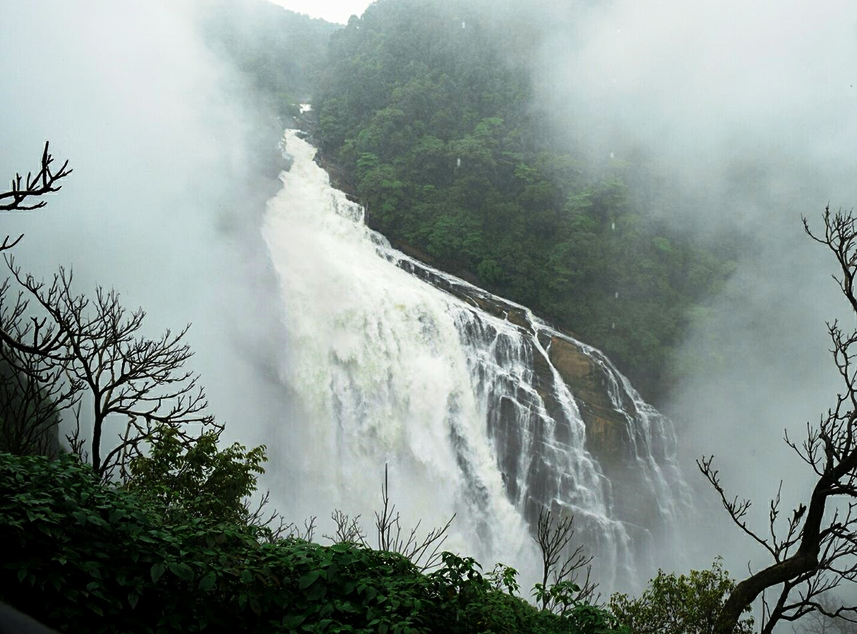
- Unchalli Falls: A stunning waterfall located about 35 km from Sirsi, known for its breathtaking view and roaring cascades.
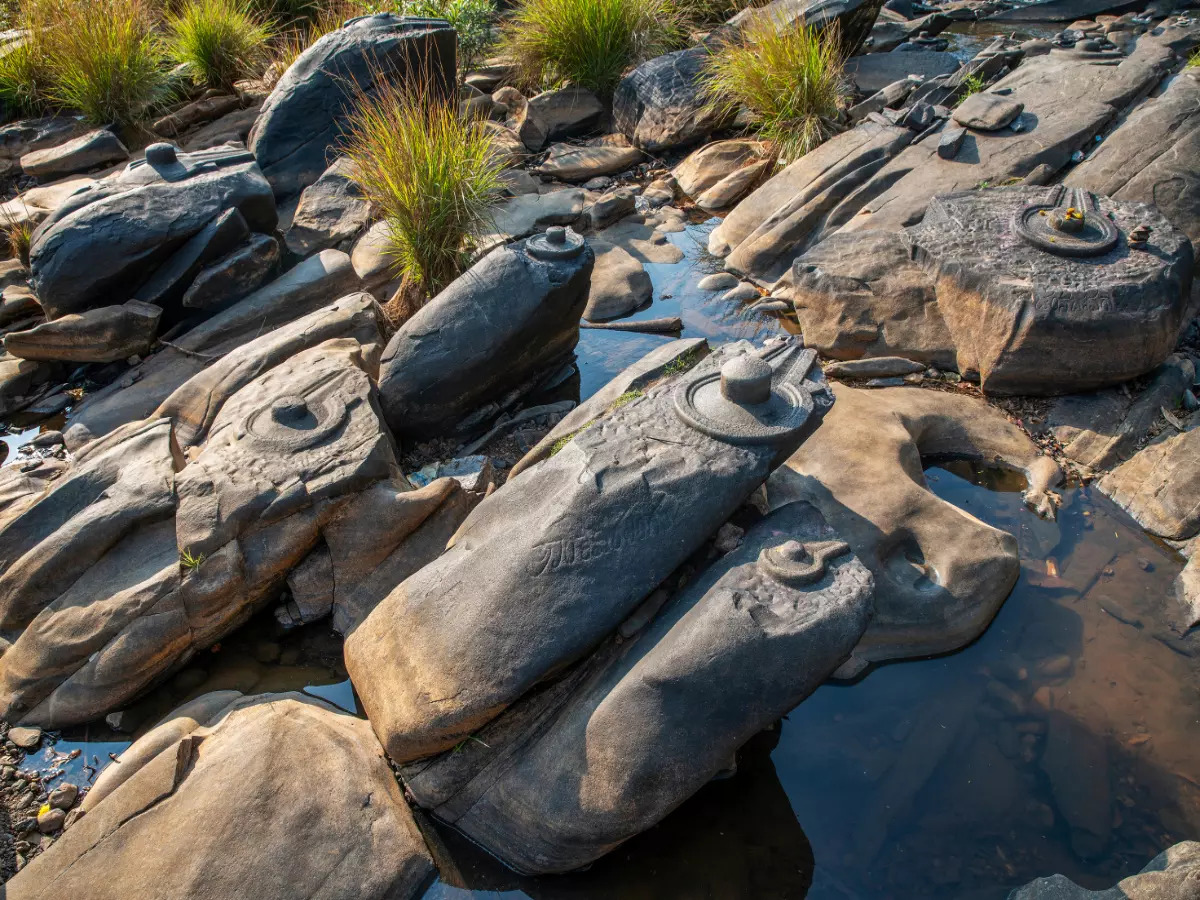
- Sahasralinga: About 17 km away, this unique site along the Shalmala River features thousands of Shiva Lingas carved on natural rocks.
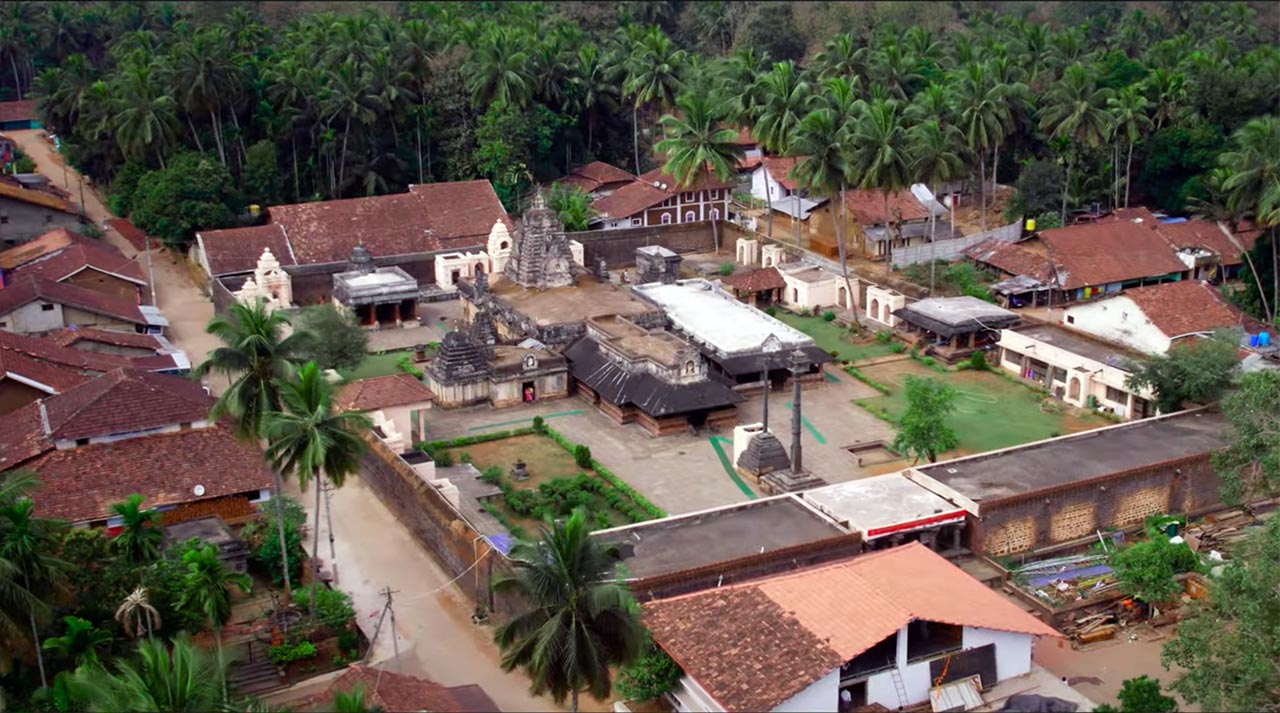
- Banavasi: The oldest town in Karnataka, located 25 km from Sirsi, home to the historic Madhukeshwara Temple built during the Kadamba dynasty.
- Yana Rocks: Around 40 km away, these magnificent black limestone formations are a favorite spot for trekkers and pilgrims alike.

Spiritual Experience and Cultural Essence
Visiting Swarna Walli Mata Temple is more than just a religious journey — it is an experience that connects one deeply with nature and spirituality. The temple’s peaceful environment, the soft sound of temple bells, and the scent of flowers and camphor create a divine atmosphere that soothes the soul. Devotees believe that Goddess Swarna Walli blesses her worshippers with good fortune, success, and protection from evil forces.
Moreover, the temple is a hub of cultural unity. People from all backgrounds come together during festivals to celebrate faith, music, and tradition, reflecting the communal harmony for which Sirsi is known.